
My hot take for the week: forcing AI agents to use traditional APIs the way we always have is a massive headache, and I don't think it's a temporary skills problem — I think it's a mismatch in what APIs were designed for.
APIs assume a deterministic caller
REST APIs were built for code talking to code: fixed endpoints, fixed parameters, a caller that already knows exactly what it wants. AI models reasoning over messy, real-world input aren't that kind of caller. Right now, a lot of teams compensate by writing enormous prompts just to hand-hold the model — hardcoding exactly which endpoint to hit and which parameters to pass for every scenario.
What MCP actually changes
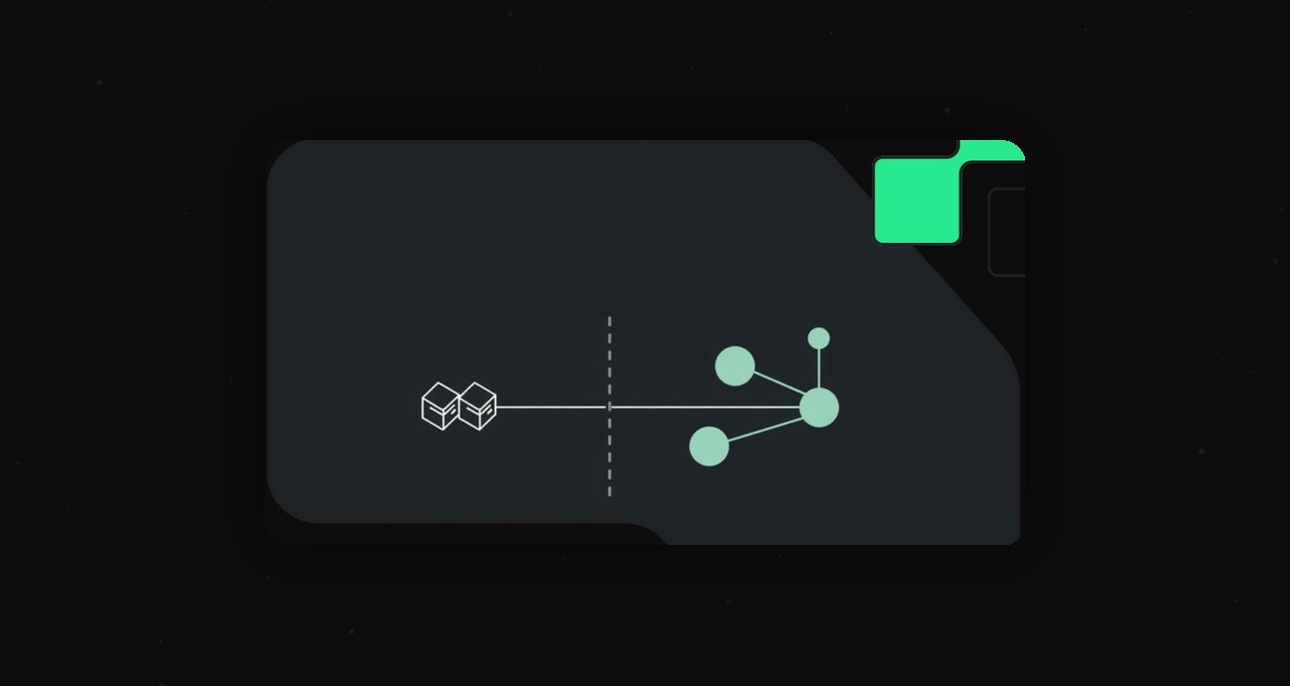
Model Context Protocol doesn't replace your backend APIs — it sits in front of them as a translator. Instead of forcing the model to memorize the shape of every bespoke tool you own, MCP gives it a live map of what's available and lets it figure out the right call dynamically, the same way a new engineer explores an unfamiliar API by reading its schema instead of being told every call in advance.
We spent decades building integration patterns for humans and for deterministic code. MCP is one of the first widely adopted patterns built for model-native architecture instead.
Where this bites teams
If your team is still hardcoding a hundred custom integrations for your AI agents instead of giving them a toolbox they can inspect and reason over themselves, that's the exact pattern that gets expensive to maintain the moment you add tool #101.